
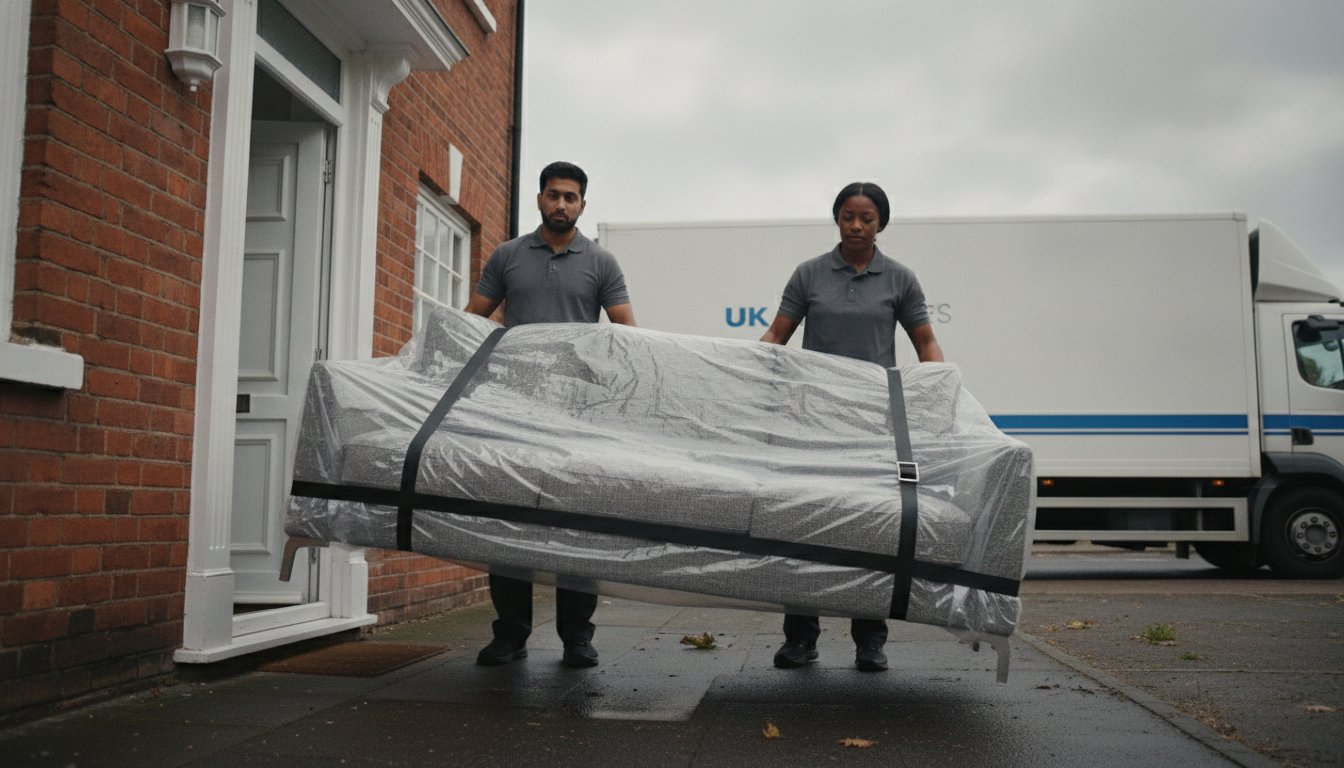
Imagine the sinking feeling of watching your favourite fabric sofa being hoisted into a removal van just as the Great British weather decides to turn. Whether it's a sudden downpour or a tight hallway corner, your furniture is often one slip away from a permanent stain or a nasty rip. You've likely spent years looking after your upholstery, so the thought of it arriving at your new home with a fresh scratch or a damp patch is enough to make anyone feel anxious.
We agree that keeping your furniture safe shouldn't be a guessing game during a busy house move. This guide will show you exactly how to use a couch cover for moving to protect your investment from dust, moisture, and impact. You'll learn which materials work best for different types of sofas; we also provide straightforward instructions on how to wrap bulky items like a professional. By the time you've finished reading, you'll have a clear plan to ensure your sofa stays clean and undamaged from the old front door to the new one.
Key Takeaways
- Discover why a heavy-duty couch cover for moving is the best defence against "transit stains" and unpredictable weather during your relocation.
- Compare the benefits of protective polythene for moisture resistance against the impact-absorbing padding of traditional removal blankets.
- Learn the three essential measurements you need to take to ensure your protector fits snugly, regardless of your sofa's specific armrest or backrest style.
- Master the "two-person slide" technique to safely wrap your furniture without straining your back or damaging the fabric.
- Identify the complementary supplies, such as webbing straps and bubble wrap, needed to keep your sofa stable and its wooden feet protected whilst in transit.
Why Using a Couch Cover for Moving is Essential for Your Furniture
A couch cover is a specialised heavy-duty polythene or textile shield designed to withstand the rigours of professional removals. It acts as the primary barrier between your expensive upholstery and the chaotic environment of a removal van. While many people focus on packing smaller items into boxes, your sofa is often the most valuable and vulnerable item you'll move. Without a dedicated couch cover for moving, you leave your furniture exposed to a variety of physical and environmental threats that can cause permanent damage.
Moving house in the UK often involves navigating tight corridors and narrow doorframes. It's during these moments that the "snag factor" becomes a real concern. A stray splinter on a doorframe or a sharp corner in a hallway can ruin a fabric sofa in seconds. Beyond physical tears, "transit stains" are a common headache for homeowners. These marks usually come from the inevitable transfer of oils and dirt from hands during heavy lifting, or from contact with surfaces that aren't as clean as they appear. A proper cover ensures that your furniture remains pristine from the moment it leaves your old living room until it's unwrapped in the new one.
Rain is another constant factor to consider. Even a short walk from your front door to the tail lift of a van can expose your sofa to dampness. Moisture trapped in fabric can lead to musty odours or even mould if the item isn't dried out immediately. Using a waterproof cover provides essential peace of mind, keeping your favourite seat dry regardless of the British weather.
The Hidden Risks of the Removal Van
Even the most well-maintained removal vans can hide risks. Van floors often harbour fine dust or oily residues from previous jobs that easily transfer to unprotected furniture. Once the van is in motion, constant vibration causes items to shift and rub against one another. This friction can lead to permanent scuffing or thinning of the material. Professionals frequently use furniture pads and blankets to create a buffer, but a dedicated couch cover provides a tight, secure seal that keeps dust out and protects against "stacking damage" when other items are placed nearby.
Protecting Different Materials: Fabric vs Leather
Fabric sofas are essentially giant sponges. They quickly absorb dust, pet hair, and lingering odours from the moving environment. Without a barrier, you might find your sofa needs a professional deep clean before you've even spent your first night in the new house. Leather couches face different challenges. They are particularly sensitive to temperature changes and are prone to deep scratches or scuffs if they brush against a rough surface. A heavy-duty couch cover for moving prevents these surface injuries and keeps the leather's finish looking exactly as it should.
Choosing the Right Material: Polythene vs Textile Sofa Covers
Selecting the correct material for your couch cover for moving depends on the specific risks your furniture will face. Heavy-duty polythene is the industry standard for blocking out moisture and dust. It creates a waterproof seal that is invaluable if you're loading a van on a drizzly day. On the other hand, textile covers, such as thick removal blankets, are the gold standard for impact protection. While plastic keeps things clean, it offers very little defence against a knock on a doorframe. Textiles provide a cushioned layer that absorbs energy from bumps and vibrations during the journey.
Many professional movers recommend a hybrid approach for high-value items. By placing a polythene cover directly over the sofa and then wrapping it in a removal blanket, you get the best of both worlds. The plastic keeps the fabric dry and dust-free, while the blanket protects against scratches and dents. This method is especially effective when learning how to move a couch through tight spaces where physical contact with walls is almost certain. It's a small extra step that significantly reduces the risk of a costly repair bill later.
Environmental impact is another factor to consider. Single-use polythene bags are convenient and budget-friendly, but they often end up in the bin once the move is over. Reusable textile covers and blankets are more eco-friendly because they can be used for years, whether for future moves, protecting items in the garage, or even as heavy-duty picnic rugs. If you're planning a DIY move, you can find professional-grade furniture covers that offer this level of protection without compromising on safety.
When to Use Polythene Sofa Bags
Polythene bags are ideal for short-distance moves where the primary concern is a sudden rain shower or a dusty van floor. They are also the perfect choice for long-term storage in a lock-up or attic, as they prevent dust from accumulating amongst the fibres of your sofa over several months. When choosing a plastic couch cover for moving, thickness is vital. You should look for "heavy-duty" options to ensure the plastic doesn't tear the moment you try to lift the sofa by its base or slide it across a van floor.
The Benefits of Removal Blankets and Padded Covers
Textile covers provide superior protection against "crush damage," which happens when other boxes or furniture items shift in the van and press against your sofa. These padded layers are also much better for leather furniture. Unlike plastic, which can sometimes trap heat and moisture against the surface, breathable textiles allow leather to "breathe" during longer transits. This prevents the leather from sweating or sticking to the cover. For more details on using these effectively, see our guide on [Removal Blankets: Protecting Furniture in Transit].
How to Measure Your Sofa to Ensure a Secure Fit Whilst Moving
Many people assume that buying a couch cover for moving based on a "three-seater" or "two-seater" label is enough. In reality, these descriptions are incredibly unreliable. A modern three-seater with slim arms takes up much less space than a traditional Chesterfield with deep, rolled armrests. To avoid the frustration of a cover that won't close or rips during the first lift, you need three precise measurements. We recommend using a metal tape measure for accuracy, as fabric ones can stretch over long distances.
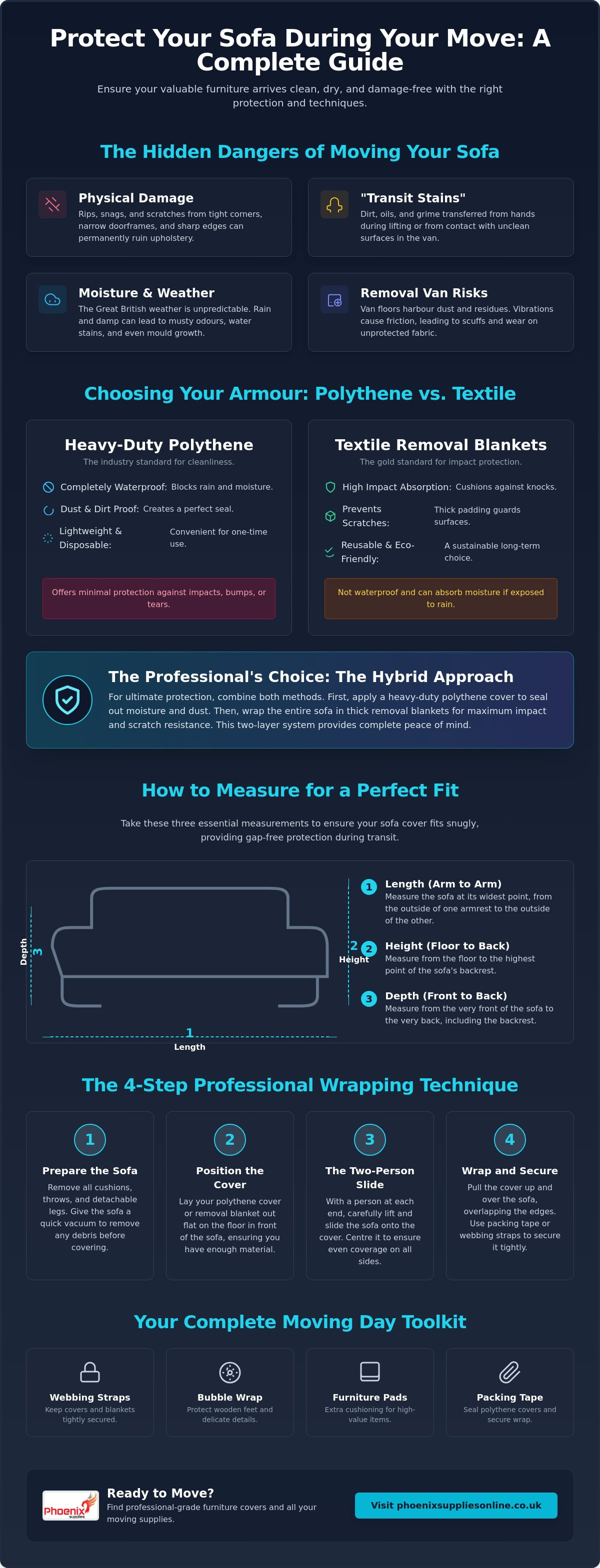
- Total Width: Measure from the outside edge of one armrest to the outside edge of the opposite one. This is usually the widest point of the furniture.
- Maximum Depth: Measure from the very front of the seat cushions to the furthest point at the back of the frame.
- Full Height: Measure from the floor to the highest point of the backrest or cushions.
We suggest following the "plus ten" rule when you're ready to buy. Aim for a cover that is roughly 10% larger than your actual measurements. This extra room makes the application process much smoother and prevents the material from being stretched to breaking point. It's vital to remember that measuring the "footprint" of the sofa is not enough; one must account for the 3D volume including protruding feet and any decorative carvings that stick out from the main frame.
Measuring L-Shapes and Corner Sofas
Most corner sofas are designed to be separated into smaller sections. We always recommend breaking these down into two or three individual units before you start wrapping. Measuring them as separate blocks is much easier, and using individual covers for each section is far safer than trying to wrestle with one giant, loose sheet. A loose cover can easily snag on a door handle or cause someone to trip. When measuring the "chaise" element of a modern sofa, treat it as its own rectangular block, paying close attention to the extended depth.
Dealing with Bulky Styles: Chesterfields and Recliners
Bulky furniture requires a bit more attention. For recliners, ensure you measure the depth whilst the chair is in its upright position, but leave enough slack for the internal mechanism. High-back chairs need a measurement from the very top of the frame down to the floor to ensure the cover provides full protection. If your sofa has large, scrolled arms, take your width measurement from the widest part of the scroll rather than the base. This ensures the couch cover for moving slides over the top without snagging on the upholstery.
A Step-by-Step Guide to Applying Your Sofa Protector
Applying a couch cover for moving might look like a simple task, but wrestling with a giant polythene bag and a heavy three-seater can quickly become stressful. Success relies on a bit of teamwork and a logical order of operations. You shouldn't attempt this alone; having two people ensures the cover is applied evenly without straining your back or ripping the material. It's much easier to manage the bulk when one person guides the plastic whilst the other manages the weight of the furniture.
The "Two-Person Slide" is the most effective way to ensure full coverage. Once your sofa is in an open space, start by sliding the cover over the top. Pull it down as far as it will go whilst the sofa is flat on the floor. To get the bottom sealed, have one person tilt the sofa back slightly. The second person can then pull the remaining plastic underneath the base. Repeat this by tilting the sofa forward. This method ensures the entire frame is encased, providing a 360-degree shield against the dusty floor of a removal van.
Securing the excess material is your final task. Loose plastic is a major trip hazard during a move. Use heavy-duty packing tape to fold over any "flaps" and secure them tightly against the side of the sofa. This creates a snug fit that makes the item much easier to carry through narrow gaps. Perform a final check to see if the feet are covered. If you're using a furniture trolley, you might want the feet exposed for better grip; however, it's usually safer to keep them tucked inside the cover to prevent scuffs or scratches on your new flooring.
Removing the Cushions: A Pro Tip
Before you even open your cover, remove all loose back and seat cushions. This simple step makes the sofa frame significantly narrower, which is a lifesaver when you're trying to squeeze through a standard UK doorway. It also reduces the overall weight. We recommend packing these cushions separately in large moving boxes, ideal for duvets and other bulky bedding. This keeps them clean and allows you to use them as soft buffers between other fragile items in the van, such as mirrors or headboards, providing an extra layer of safety for your belongings.
Taping and Sealing for Maximum Security
When sealing your couch cover for moving, only apply packing tape to the plastic itself. Never let the adhesive touch your upholstery, especially leather, as it can leave a sticky residue or pull at the fibres. A clever trick is to create "handles" by folding a loop of tape over a section of the plastic. This gives you a much better grip on the otherwise slippery polythene during the lift. Avoid using masking tape; it isn't strong enough for the job and will likely peel off halfway through the move. For the best results, you can find professional-grade furniture covers and packing tape to ensure everything stays exactly where it should during transit.
Complementary Moving Supplies for Maximum Furniture Protection
A couch cover for moving is a vital first step, but true protection comes from how you use it alongside other specialised supplies. Think of your furniture protection as a layered system rather than a single solution. For instance, if your sofa has ornate wooden feet or delicate hand-carved details, you should wrap these specific areas in bubble wrap before you slide the main cover on. This adds a layer of cushioning to high-impact zones and prevents sharp corners from puncturing the outer protective bag whilst you navigate tight hallways.
Your move probably includes more than just a sofa. A coordinated plan often involves using mattress and furniture covers across all your large items to maintain a consistent barrier against the environment. When everything is encased in high-quality protectors, you significantly reduce the chance of dust or moisture transferring between items in the van. To keep everything organised, it's wise to include these supplies on your moving house checklist. There's nothing more stressful than starting your move on a rainy morning only to realise you've forgotten to order the necessary covers for your favourite furniture.
Securing the Load with Webbing Straps
Once your sofa is covered, you need to think about how it behaves inside the van. There is a big difference between simply "tying down" an item and properly "securing" it. Without the right tension, a sofa can still shift several inches during transit. This movement causes the cover to rub against the van walls, which can lead to friction burns on the plastic or the fabric underneath. Using webbing straps allows you to anchor the furniture firmly to the van's internal rails. These straps keep the cover in place and ensure the sofa doesn't slide into other boxes during sudden stops. For a deeper look at this technique, check our guide on [Securing Your Load: Using Webbing Straps for Safety].
Building Your Furniture Protection Kit
Gathering all your supplies in advance is the best way to ensure a smooth moving day. A basic kit should include your couch cover for moving, several removal blankets, a roll of bubble wrap, and plenty of heavy-duty packing tape. Buying these items together often saves money compared to purchasing them individually at the last minute. More importantly, it saves you the stress of making emergency trips to the shops when you should be focused on the move. Having a complete set of tools ready to go makes the process feel much more manageable and gives you confidence that your belongings are safe.
Browse our full range of furniture covers and moving supplies at Phoenix Supplies UK to find everything you need for a safe and successful move.
Prepare Your Furniture for a Damage-Free Moving Day
You now have the knowledge to protect your sofa from the common pitfalls of a house move. By taking precise measurements and choosing the right combination of heavy-duty polythene and removal blankets, you can prevent transit stains and impact damage. Remember to remove those cushions and secure any loose plastic with tape to ensure a safe, trip-free journey for your removal team. These simple steps turn a potentially risky task into a manageable part of your moving plan.
We are a family-run business dedicated to providing the same professional-grade materials used by removal experts. Our couch cover for moving is designed to be durable and reliable, giving you peace of mind whilst you focus on the rest of your relocation. We even include free delivery on all orders to make your preparation that little bit easier. Secure your furniture with our heavy-duty couch covers at Phoenix Supplies UK.
Your move marks the start of an exciting new chapter. With the right protection in place, your favourite sofa will be clean, dry, and ready for you to relax on the moment you arrive at your new home. Good luck with the big day.
Frequently Asked Questions
Can I use bubble wrap directly on a leather sofa for moving?
You should avoid placing bubble wrap directly against a leather sofa because the plastic can trap moisture or leave circular marks on the hide if the temperature changes. It's much safer to wrap the leather in a breathable removal blanket first. Once you've created that soft layer, you can then apply bubble wrap or a heavy-duty couch cover for moving to provide impact and moisture protection.
Are polythene couch covers for moving waterproof or just water-resistant?
A professional-grade polythene couch cover for moving is essentially waterproof, meaning the material itself won't let water through. However, the overall protection depends on how well you seal the openings with packing tape. Whilst it will easily withstand a heavy downpour during the walk to the removal van, you should still ensure all seams are taped tightly to prevent damp air from seeping in.
How do I move a large sofa through a narrow door without ripping the cover?
To get a large sofa through a narrow door without damage, you must remove all loose cushions and tape down any loose flaps of the cover. A snug, taped fit prevents the plastic from snagging on door handles or hinges. If the fit is extremely tight, consider adding a layer of cardboard over the arms before covering; this provides a smooth surface that slides more easily against the doorframe.
Should I leave the legs on my couch whilst moving it?
We recommend removing the legs of your couch whenever possible before you start the move. Taking the legs off often provides those extra few inches of clearance needed for tight hallways and prevents the feet from snapping if they catch on a threshold. If the legs are fixed, wrap them individually in bubble wrap before sliding the main protector over the entire frame.
How many people do I need to safely cover and move a three-seater sofa?
You'll need at least two people to safely cover and move a three-seater sofa. One person needs to tilt the sofa whilst the other slides the protector underneath and pulls it into position. Moving a bulky item alone is not only physically dangerous but also increases the likelihood of the cover snagging or the furniture being dropped.
Can I reuse my couch cover after the move is finished?
You can certainly reuse your couch cover if it hasn't suffered any significant tears or punctures during the journey. Many people keep their covers to protect furniture in the garage or attic after they've moved in. If the cover is dusty, simply wipe it down with a damp cloth and fold it away once it's completely dry to prevent any mould growth.
What is the difference between a storage cover and a moving cover?
The main difference lies in the thickness and durability of the material used. Moving covers are typically made from heavy-duty polythene designed to resist the friction and sharp edges encountered in a van. Storage covers are often thinner and focused primarily on keeping dust and cobwebs away whilst the item is stationary. For a house move, always choose the thicker moving grade.
Will a couch cover prevent my sofa from smelling like the removal van?
Yes, a properly sealed cover acts as an effective barrier against the smells often found in removal vans. Fabric sofas are particularly prone to absorbing odours like diesel fumes or old dust. By encasing your sofa in a polythene protector and sealing the ends with tape, you ensure it arrives at your new home smelling exactly as it did when it left.


